Creating inclusive mobile-friendly websites is not just a trend; it's a necessity in today’s digital world. With the proliferation of smartphones and tablets, web design must cater to a diverse range of users, including those with disabilities. In this article, we will delve into the essential elements of mobile-friendly website design that ensures accessibility for all users.
Understanding the Importance of Inclusivity in Web Design
Why Inclusivity Matters in Website Design?
Inclusivity in web design is about creating experiences that accommodate as many users as possible. When thinking about digital marketing, the goal is to reach a wide audience, but if your website is not accessible, you are inherently limiting your market.
The Impact on Business
A website that excludes certain groups can lead to lost revenue opportunities. Research shows that companies prioritizing inclusivity tend to enjoy higher customer loyalty and satisfaction.
Accessibility Standards: A Framework for Inclusion
Incorporating accessibility standards such as the WCAG (Web Content Accessibility Guidelines) allows developers to create websites that are usable by people with various disabilities, including visual and auditory impairments.
Creating Inclusive Mobile-Friendly Websites for All Users
Creating an inclusive mobile-friendly website involves several critical components:
Responsive Web Design: The Foundation of Accessibility
Responsive web design allows your site to adapt seamlessly across different devices and screen sizes. This adaptability is vital for ensuring that users have a consistent experience regardless of how they access your site.
Key Elements of Responsive Web Design
Fluid Grids: Use relative units like percentages instead of fixed units. Flexible Images: Ensure images scale correctly on various devices. Media Queries: Apply different styles based on device characteristics.User Experience (UX) Optimization
When discussing inclusive web development, UX plays a crucial role. Consider how users navigate through your site and ensure that it is intuitive for everyone.
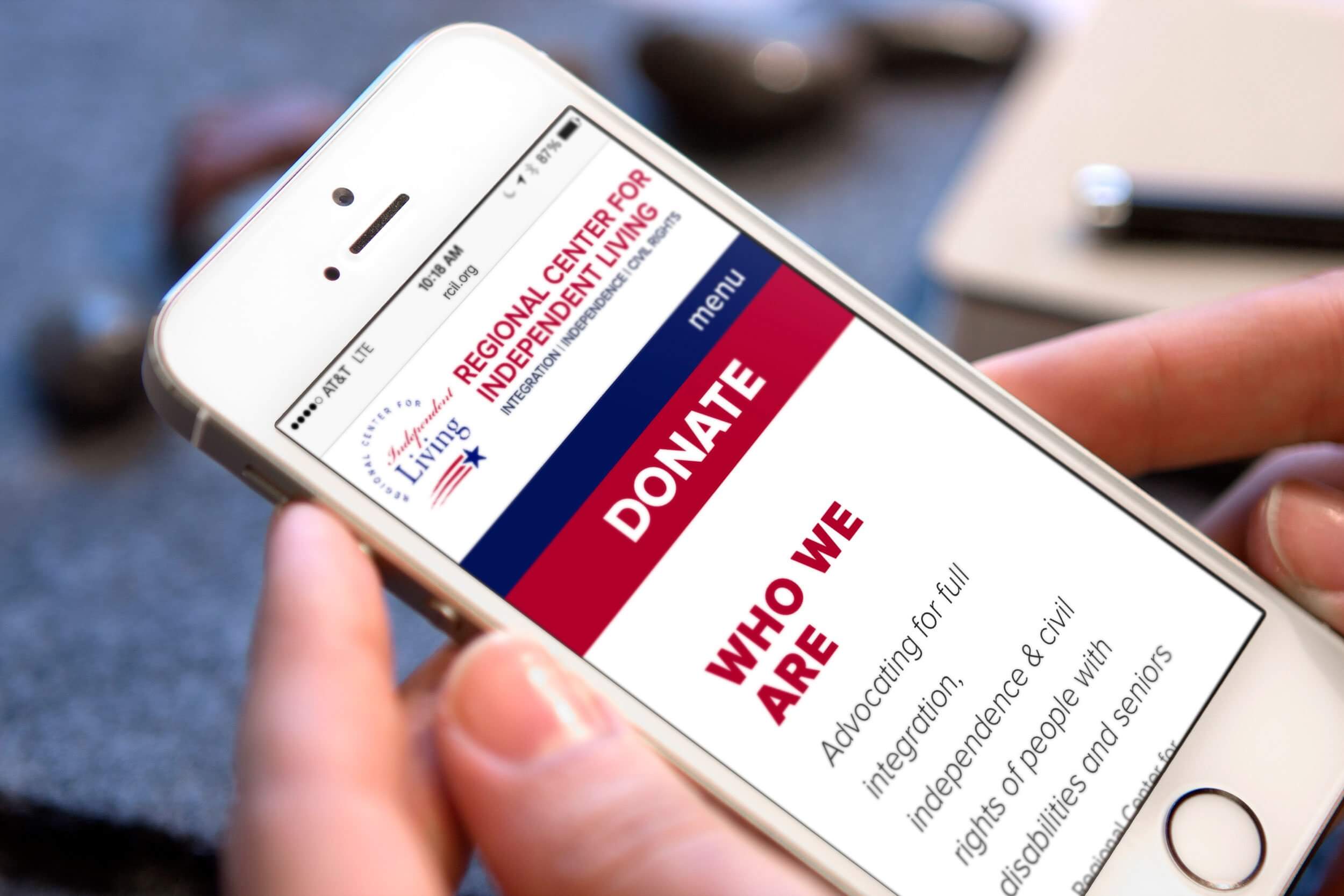
Conducting User Research
Gather feedback from diverse user groups during the design phase. This can include usability testing with individuals who have disabilities or different technological proficiencies.
UX/UI Design Principles for Inclusivity
- Utilize clear navigation menus. Provide descriptive labels for forms. Ensure sufficient color contrast between text and background.
Mobile Accessibility Features That Matter
Utilizing ARIA Landmarks
Accessible Rich Internet Applications (ARIA) landmarks help assistive technologies understand the structure of your page better, making navigation simpler for users relying on screen readers.
Keyboard Navigation: A Must-Have Feature
Many users cannot use a mouse due to physical limitations. Ensuring that all interactive elements are accessible via keyboard shortcuts enhances inclusivity significantly.
Graphic Design Considerations for Mobile Websites
Importance of Color Choices in Graphic Design
Color choices impact readability and accessibility dramatically. For example, using high contrast colors helps visually impaired users navigate your site more easily.
Implementing Alt Text for Images
https://cristiandvrj989.raidersfanteamshop.com/exploring-the-connection-between-social-media-engagement-and-seo-rankingsAlways provide descriptive alt text for images so screen readers can convey what they depict effectively to visually impaired users.
Website Architecture: Structuring Your Site for All Users
Logical Flow of Information
An intuitive website architecture improves navigability. Organize content logically so users can find what they're looking for without frustration.
Mobile Navigation Techniques That Work
Consider implementing hamburger menus or tabs to save space on mobile screens while maintaining easy access to key sections of your site.
Content Marketing Strategies for Inclusive Websites
Creating Accessible Content from the Start
When developing content, think about how it will be consumed by all types of users. This includes using plain language, short paragraphs, bullet points, and avoiding jargon whenever possible.
Using Video Content Effectively with Captions and Transcripts
Video content should always come with captions or transcripts to ensure it’s accessible to deaf or hard-of-hearing individuals.
E-commerce Development Considerations for Inclusivity
Creating an Inclusive Shopping Experience
E-commerce websites must be particularly careful when designing their shopping experience since every user interaction matters significantly in conversion rates.
Key Elements of E-commerce UX/UI
Clear product descriptions Accessible payment options Easy return policiesWebsite Redesign: Making Existing Sites More Inclusive
Evaluating Current Site Accessibility
If you're considering a redesign, conduct an audit on existing accessibility issues before making changes.
Prioritizing User Feedback
Engage real users during the redesign process; their insights will be invaluable in creating a genuinely inclusive platform.
Custom Web Development Solutions
Tailoring Websites to Meet Diverse Needs
Custom solutions allow businesses to address specific needs within their target audience directly.
Engaging Professional Developers
Partnering with experienced developers experienced in both custom web development and accessibility standards will yield significant benefits over time.
Website Maintenance: Keeping It Accessible Over Time
Regular Audits Are Essential
Conducting routine audits ensures compliance with evolving standards and maintains accessibility across updates.
Embrace Continuous Improvement
Ensure feedback loops are established so user experiences can inform ongoing improvements effectively.
FAQs About Creating Inclusive Mobile-Friendly Websites
Q1: What is responsive web design?
A1: Responsive web design refers to an approach where websites are built to adapt seamlessly across various devices and screen sizes, ensuring optimal usability no matter how visitors access them.
Q2: Why is UX important in web development?
A2: User experience (UX) focuses on optimizing how real people interact with your site, ensuring ease of use which ultimately leads to higher engagement and satisfaction rates among visitors.
Q3: How does ARIA improve accessibility?
A3: ARIA (Accessible Rich Internet Applications) landmarks define ways that assistive technologies interpret website structures more clearly, allowing easier navigation by individuals relying on tools like screen readers.
Q4: What role does color contrast play in accessibility?
A4: High color contrast between text and background ensures readability by individuals with visual impairments, therefore improving overall site accessibility significantly.

Q5: Can I make my existing website more inclusive?
A5: Yes! Conducting audits focused on current accessibility issues followed by strategic updates based on user feedback can greatly enhance inclusiveness over time without starting from scratch.
Q6: What are some best practices when creating video content?
A6:** Always include captions or transcripts alongside video materials so they’re accessible even to those who may not hear the audio effectively.
Conclusion
In conclusion, creating inclusive mobile-friendly websites requires careful consideration at every stage—from initial planning through ongoing maintenance. By prioritizing responsive design principles alongside effective UX strategies while leveraging tools like ARIA landmarks throughout backend processes; businesses not only fulfill moral obligations but also tap into wider markets thus driving growth through improved conversion rates down the line! It's evident that investing time into learning about these topics pays off dividends both ethically—and financially too!
By employing thoughtful strategies outlined throughout this article—such as incorporating user feedback into designs—you’ll cultivate experiences where diversity thrives rather than merely tolerates differences among visitors accessing digital platforms alike!